
Flooring for Sisters, OR Wedding and Event Venues

Flooring for Sisters, OR Wedding and Event Venues
Sisters has become one of Central Oregon's most requested wedding destinations, drawing couples to converted barns, working ranch properties, and event spaces built specifically to capture the Three Sisters mountain backdrop and the town's Western character.
A wedding venue's floor does more work in a single event than most commercial flooring experiences in a month, supporting dancing, heavy foot traffic in heels and dress shoes, catering service, and rapid turnovers between a ceremony setup and a reception layout, all while needing to photograph beautifully for the couple's most important day.
Flooring for Sisters wedding and event venues has to deliver genuine durability alongside the kind of authentic, photogenic character that draws couples to a Sisters venue over a generic hotel ballroom in the first place.
Oregon Floor Trends works with wedding venue owners and event space operators throughout Sisters to specify flooring that holds up to the real demands of hosting weddings and events while supporting the rustic-meets-refined aesthetic that defines this market.
Key takeaways:
Wide-plank hardwood remains the top choice for Sisters wedding venues, offering the timeless, photogenic appearance couples specifically look for alongside genuine durability for repeated heavy events.
Dance floors require their own specific durability and safety consideration, since dancing generates concentrated point loads and repeated stress that general flooring elsewhere in a venue doesn't experience.
Quick turnover between ceremony and reception layouts, or between back-to-back weekend bookings, calls for flooring that tolerates rapid furniture and chair reconfiguration without showing damage.
Barn-style venues common in the Sisters market often start with genuinely uneven or aged flooring that needs leveling and subfloor work before any new material can be installed reliably.
Couples increasingly prioritize venues with an authentic, nature-connected aesthetic over an imported or generic look, making flooring choice a meaningful part of a venue's overall booking appeal.
Why Wedding Venue Flooring Faces a Uniquely Concentrated Wear Pattern

A wedding venue's floor experiences an unusual wear pattern compared with most commercial applications. Rather than steady daily traffic spread evenly across a year, the heaviest wear concentrates into single, intense events, often back-to-back on weekends during peak wedding season, where a single floor might support two hundred guests dancing, standing, and moving furniture within the space of just a few hours. This concentrated intensity means flooring specified for a wedding venue needs a genuinely higher durability standard than the same square footage might require in a slower, steadier commercial application.
Sisters' wedding season also compresses much of this wear into a relatively narrow window, late spring through early fall, when the area's weather most reliably supports the outdoor-adjacent, mountain-view weddings couples specifically travel to Sisters to have. A venue's flooring needs to hold up to this seasonal intensity without showing visible wear right when the venue is hosting its highest volume of paying events and generating the reviews and photos that drive future bookings.
Wide-Plank Hardwood for Timeless, Photogenic Appeal
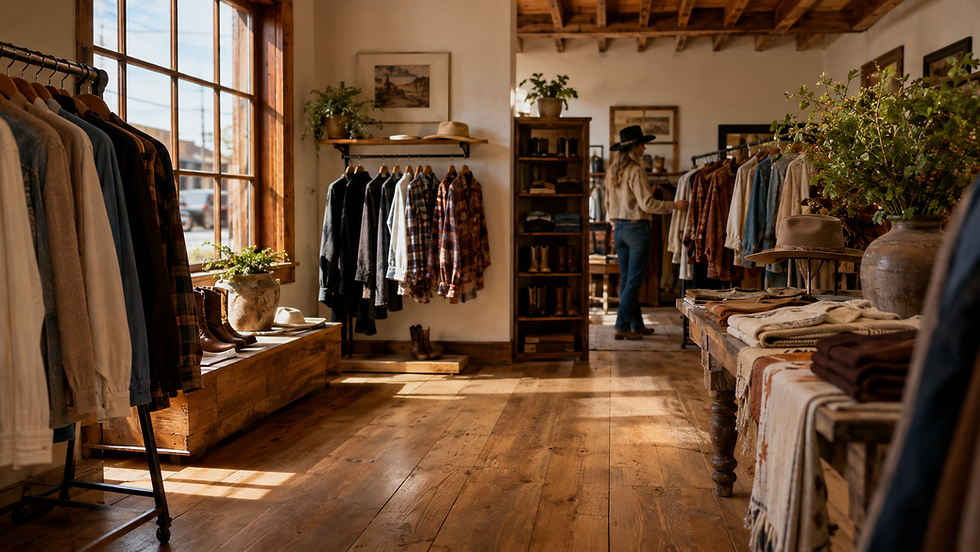
Wide-plank hardwood remains the strongest choice for most Sisters wedding venue main floors, and the reasoning goes beyond pure aesthetics. Hardwood's timeless, classic appearance photographs beautifully across every wedding style trending in 2026, from the industrial-rustic barn aesthetic with exposed beams and string lighting to the increasingly popular nature-first, farm-to-table wedding style that couples, particularly younger couples now making up the majority of the wedding market, are specifically seeking out over a more generic hotel ballroom setting.
Beyond photographing well, hardwood genuinely holds up to repeated heavy event use when properly specified and maintained, offering a durability profile that outperforms most alternatives for a venue hosting weddings and events on a regular, sometimes weekly, basis throughout the season.
Dance Floor Specifications: A Distinct Consideration
The dance floor deserves its own specific attention separate from the venue's general flooring plan, since dancing generates concentrated point loads and a very different stress pattern than guests simply standing or walking through a space. A dedicated dance floor area needs a stable, supportive subfloor and a wear-resistant surface finish that can tolerate the repeated impact and friction dancing creates without prematurely showing scuffs, dents, or finish wear in exactly the zone every wedding photo package captures repeatedly throughout an evening.
Some Sisters venues use a dedicated portable or removable dance floor system specifically to protect the venue's primary hardwood in this highest-wear zone, while others specify a more durable finish across the entire main floor to eliminate the need for a separate system. Both approaches work, and the right choice depends on the venue's specific booking volume and whether dance floor placement varies between events or stays fixed in the same location.
Zone | Recommended Flooring | Key Priority |
Main event floor | Wide-plank hardwood | Photogenic durability |
Dance floor | Durable finish or portable system | Impact and friction resistance |
Catering / back-of-house | Slip-resistant commercial flooring | Sanitation, staff safety |
Outdoor transition zones | Durable, easy-clean transition material | Debris and moisture management |
Curious what flooring fits your Sisters wedding venue's specific layout and booking volume? Schedule a free consultation and we'll evaluate your ceremony space, reception floor, and dance area together.
Managing Quick Turnovers Between Layouts

Many Sisters venues host both a ceremony and a reception in the same space, requiring a complete furniture and layout turnover within a tight window, sometimes just an hour or two while guests enjoy cocktail hour elsewhere on the property. This turnover involves moving chairs, tables, and other furniture repeatedly across the same flooring, and a material vulnerable to scuffing or scratching from this kind of furniture movement shows wear far faster than one specified with this specific use pattern in mind.
Felt or rubber furniture protectors, combined with a finish selected specifically for scratch resistance, help manage this wear, but the underlying flooring material and finish quality matter more than any protective accessory alone can compensate for in a venue turning over layouts multiple times within a single event, sometimes multiple times in a single weekend during peak booking season.
Working with Barn-Style Venue Conditions

Many Sisters wedding venues operate out of converted barns or agricultural structures, spaces prized specifically for their rustic character but which often present real flooring challenges before any renovation begins. Older barn structures frequently have uneven original flooring, irregular framing, and subfloor conditions that need genuine leveling and structural assessment before new flooring can be installed reliably, a more involved starting point than a purpose-built event space would typically require.
Addressing these subfloor conditions properly from the outset protects the flooring investment over years of heavy event use, since installing new flooring over an unaddressed uneven or unstable subfloor risks premature failure regardless of how durable the surface material itself might be.
Outdoor-Adjacent and Transition Zone Considerations
Many Sisters venues incorporate outdoor ceremony spaces or covered patio areas that guests move between throughout an event, and the transition zones connecting these outdoor-adjacent spaces to the main indoor venue deserve particular attention. Guests moving in formal shoes and heels across grass, gravel, or dirt paths before entering the main venue track in debris and moisture that concentrates heavily at these entry points.
A durable, easy-to-clean transition flooring at these junctions, paired with clear pathway definition that guides guest traffic naturally, protects the venue's primary hardwood from the concentrated debris and moisture these transition zones would otherwise absorb directly onto the main event floor.
Catering and Back-of-House Zones
Behind the photogenic main floor, most Sisters wedding venues include a catering staging area, sometimes a full commercial kitchen, where caterers prep and plate throughout an event without guests ever seeing this side of the operation. These back-of-house zones face a completely different set of demands than the main floor, grease, spilled sauces, constant staff foot traffic during a tight service window, and the same food-safety sanitation standards any commercial kitchen requires regardless of how rustic the front-of-house aesthetic might be.
Slip-resistant, easy-to-clean flooring in these zones matters as much for caterer safety as it does for turnover speed between the appetizer course and the entrée, and it's worth specifying this area with the same seriousness given to the main event floor even though it never appears in a single wedding photo. A caterer moving quickly with a loaded tray during a hundred-person plated dinner needs secure footing just as much as guests do on the dance floor.
Seasonal Maintenance for a Booking-Dependent Business
A wedding venue's flooring maintenance schedule needs to work around Sisters' concentrated peak booking season rather than following a generic year-round maintenance calendar. Scheduling any deeper refinishing or maintenance work during the area's quieter shoulder seasons, rather than attempting it between back-to-back peak-season weekend bookings, protects both the flooring investment and the venue's ability to keep its calendar full during the months that matter most to annual revenue. The National Wood Flooring Association publishes maintenance and refinishing guidance that many venue operators reference when planning this seasonal cadence.
Frequently Asked Questions
What's the best flooring for a Sisters wedding venue?
Wide-plank hardwood remains the top choice, offering both the timeless, photogenic appearance couples look for and genuine durability for repeated heavy event use throughout a busy wedding season.
Does a dance floor need different flooring than the rest of the venue?
Often yes. Dancing generates concentrated point loads and repeated stress that calls for either a dedicated portable dance floor system or a more durable finish across the entire main floor to handle this specific high-wear zone.
How do barn-style venues affect flooring installation in Sisters?
Older barn structures often have uneven original flooring and subfloor conditions that need leveling and structural assessment before new flooring can be installed reliably, a more involved starting point than a purpose-built venue.
How should transition zones between outdoor and indoor spaces be handled?
Durable, easy-to-clean flooring paired with clear pathway definition at these junctions protects the venue's primary hardwood from the debris and moisture guests track in from outdoor ceremony spaces or patios.
When should venue flooring maintenance be scheduled?
During Sisters' quieter shoulder seasons rather than between back-to-back peak-season weekend bookings, protecting both the flooring investment and the venue's ability to stay fully booked during peak months.
Does Oregon Floor Trends install flooring for other event venues in Central Oregon?
Yes. Oregon Floor Trends installs commercial flooring throughout Central Oregon, including Bend, Redmond, Sunriver, and Brasada Ranch, for wedding venues, event spaces, and other commercial applications.
What flooring works best for a wedding venue's catering or kitchen area?
Slip-resistant, easy-to-clean flooring that meets standard commercial kitchen sanitation requirements works best here, since caterers need secure footing moving quickly during service regardless of how rustic the front-of-house aesthetic is.
Should I choose different flooring for the ceremony space versus the reception area?
It depends on the layout. Many Sisters venues use the same main floor for both, in which case a single durable, photogenic material like wide-plank hardwood serves both purposes well without requiring a material change between the two.
How often does wedding venue flooring need to be refinished?
This varies by booking volume, but a venue hosting weddings regularly throughout the season should generally plan for refinishing every few years, with the dance floor zone sometimes needing attention sooner given its concentrated wear.
Final Thoughts
Flooring for a Sisters wedding or event venue has to deliver genuine durability against concentrated seasonal wear while supporting the authentic, photogenic character that draws couples to book a Sisters venue over a generic alternative.
From wide-plank hardwood's timeless appeal through dedicated dance floor planning, quick-turnover durability, barn-specific subfloor work, catering area sanitation, and transition zone management, every decision shapes how well a venue's flooring performs across a demanding wedding season while still looking beautiful in every photo.
Oregon Floor Trends works with Sisters venue owners to specify flooring built for the real demands of hosting weddings and events. Contact Oregon Floor Trends today to schedule a free consultation and see wide-plank hardwood and durable finish options suited to your venue.


Comments